
Welcome to the world of scale modeling: This is the second of four articles introducing you to a great hobby.
In Part 1, we explained a little of the hobby’s history and the evolution of constant scale. In this installment, we’ll show you basic tools that will get you started on your first model.
Basic tools and supplies
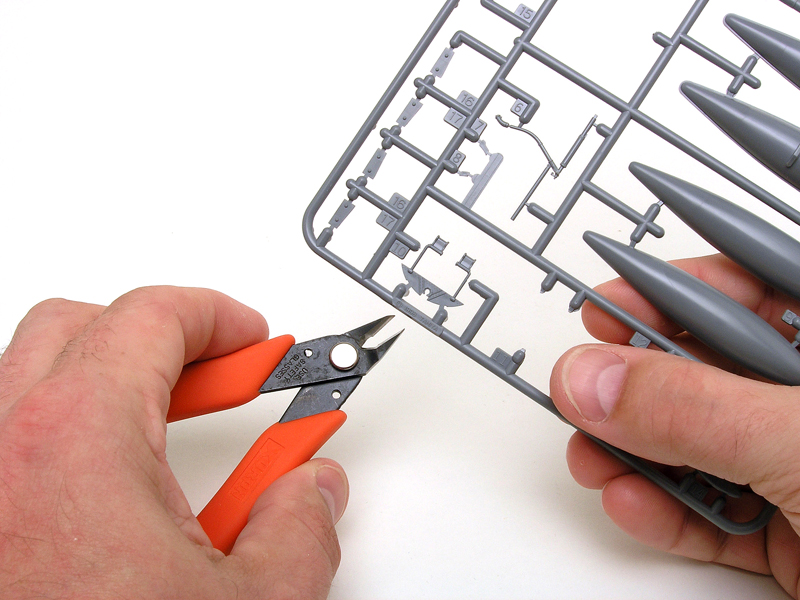
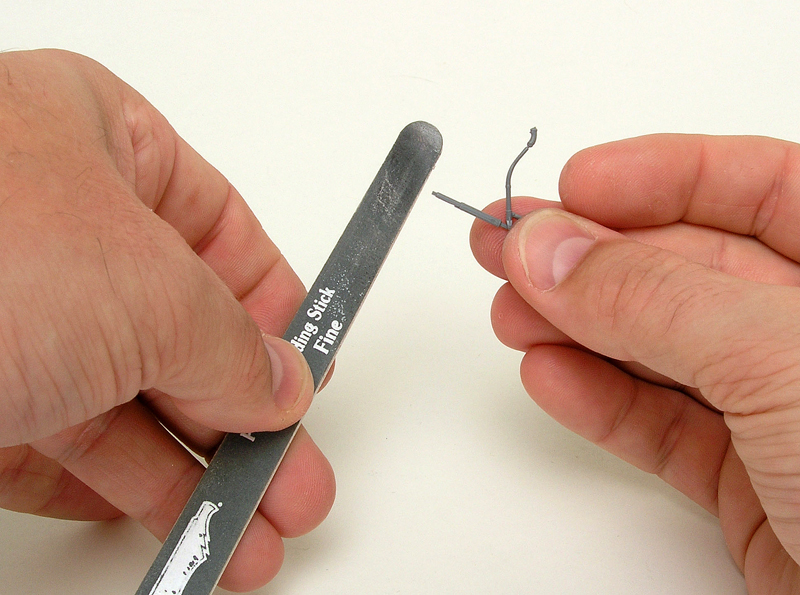
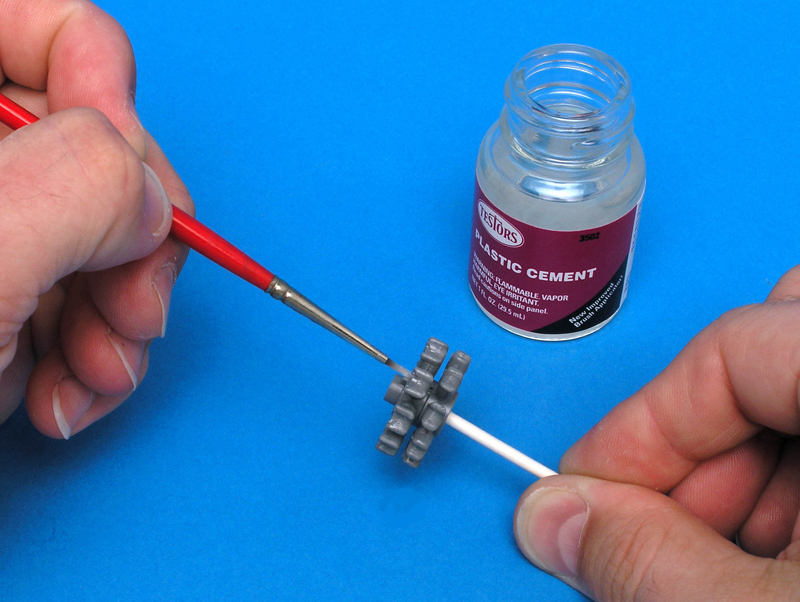
Other than a well-ventilated room with a stationary flat
surface, you don’t need much to build a basic model kit; you can see the
essentials in the picture above.
Speaking of ventilation, whether you are sanding plastic
or spraying paint, an OSHA-approved respirator mask is recommended.
Remember this rule: If you can smell it, you’re breathing it.
Choose your model, and take it easy
By now you probably have a good idea of what you would like to build. Of course, that’s up to you. But here’s some advice: Keep the first one easy. Many kits are labeled with “skill level” or degree of difficulty indicated on the box. Or, you can read FineScale Modeler magazine Workbench Reviews, which almost always conclude with a recommendation of the appropriate expertise required to build that model.
In other words, take a few practice cuts before swinging away. There is absolutely nothing wrong with a simple model well built.
Up next: Build great scale models, Part 3: Fundamental techniques for building better models.
Remember …
When you subscribe to FineScale Modeler magazine,
you can register at www.FineScale.com and have unlimited access to
bonus features, thousands of free kit reviews, and a database of more
than 15,000 products.
Supplies checklist
- White glue
- Super glue
- Super glue accelerator
- Super glue debonder
- Sanding sticks
- Sprue cutter
- Budget brushes
- Hobby knife
- Tweezers
- Assorted sandpaper
- Model cement
- Filler putty
- Paint set
- Masking tape
- Thinner
- Scissors
- Decal tweezers
- Toothpicks
- Clothespins
- Rubber bands
- Spray paint
- Respirator mask