

You’ll need a selection of cutting and grinding bits for your rotary tool. Use a grinding bit to create dents and thinning plastic. It will work slower than a burr bit and give you more control. Small round burrs cut plastic and remove material quickly.
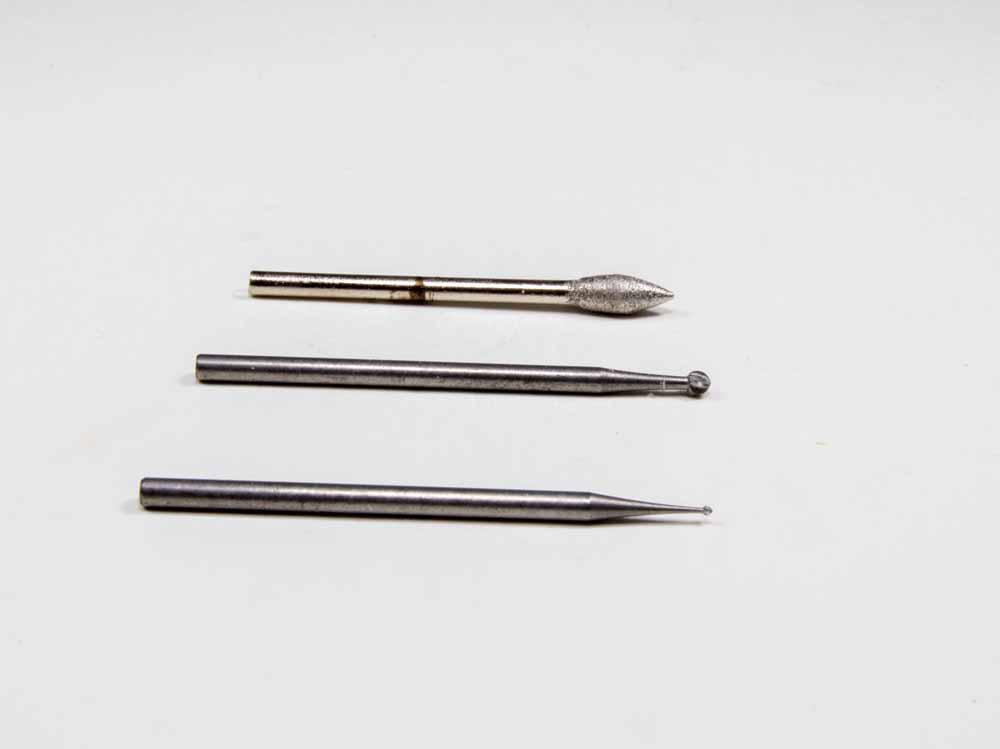
Often, molded plastic parts are more than scale thick. Use a grinding bit to thin areas where damage goes all the way through the part, like bullet holes and places that have rusted through.
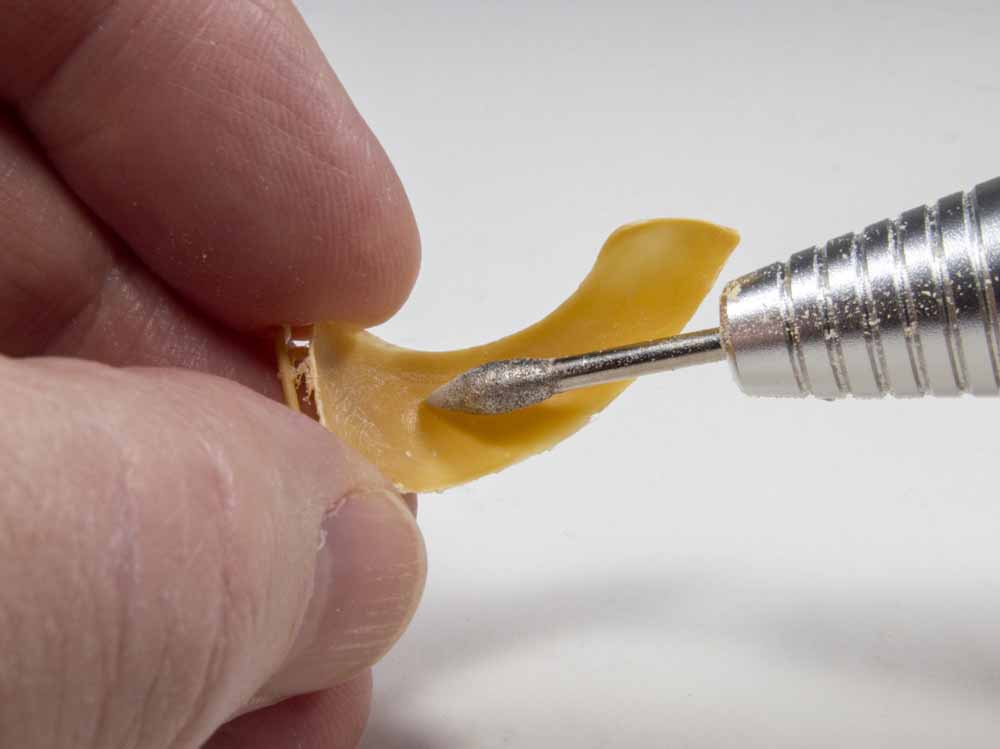
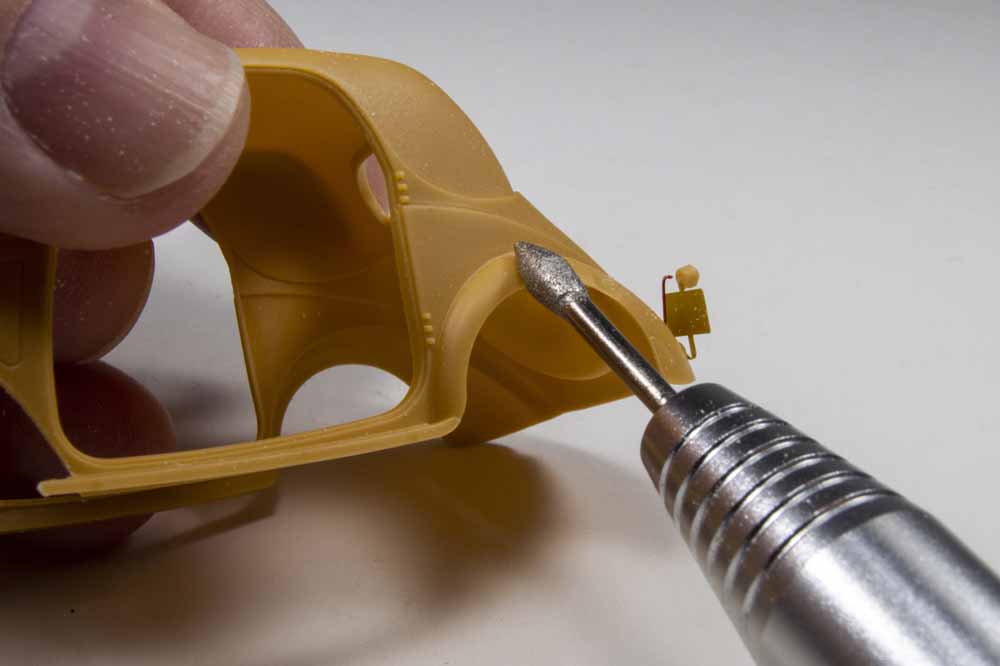
After thinning the part, use your burrs to carve the piece, keeping in mind the damage you want to replicate. Here, I want to represent damage from shrapnel that tore up a fender. Use photo references for help.
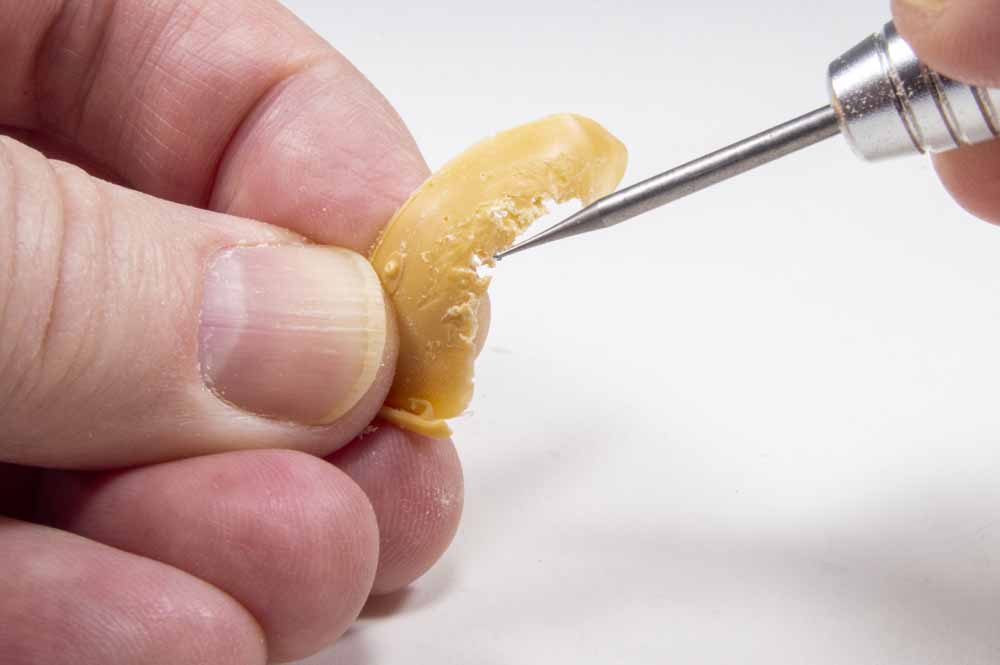
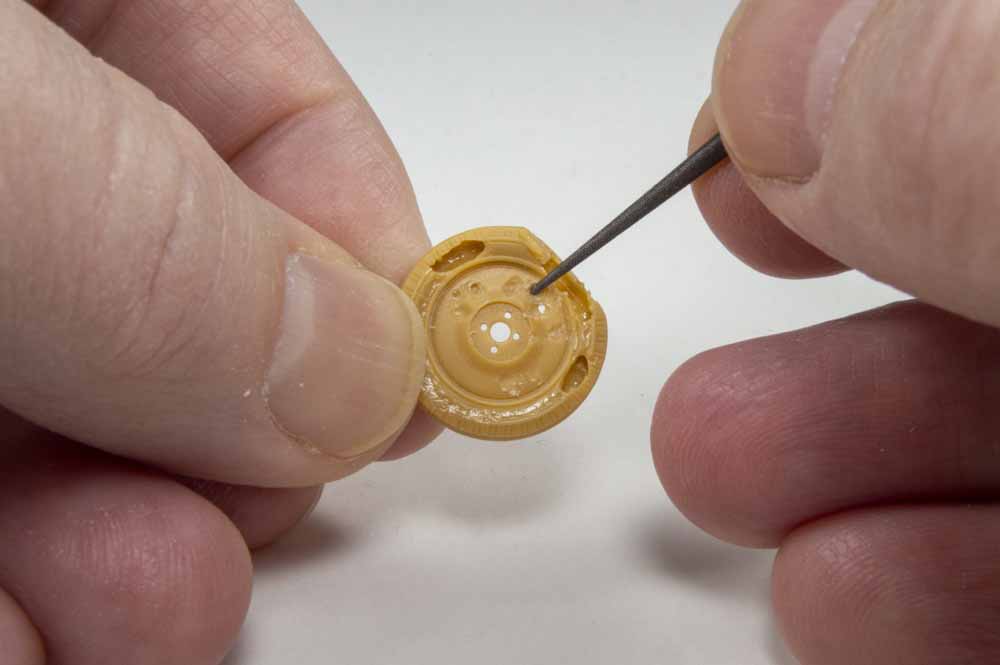
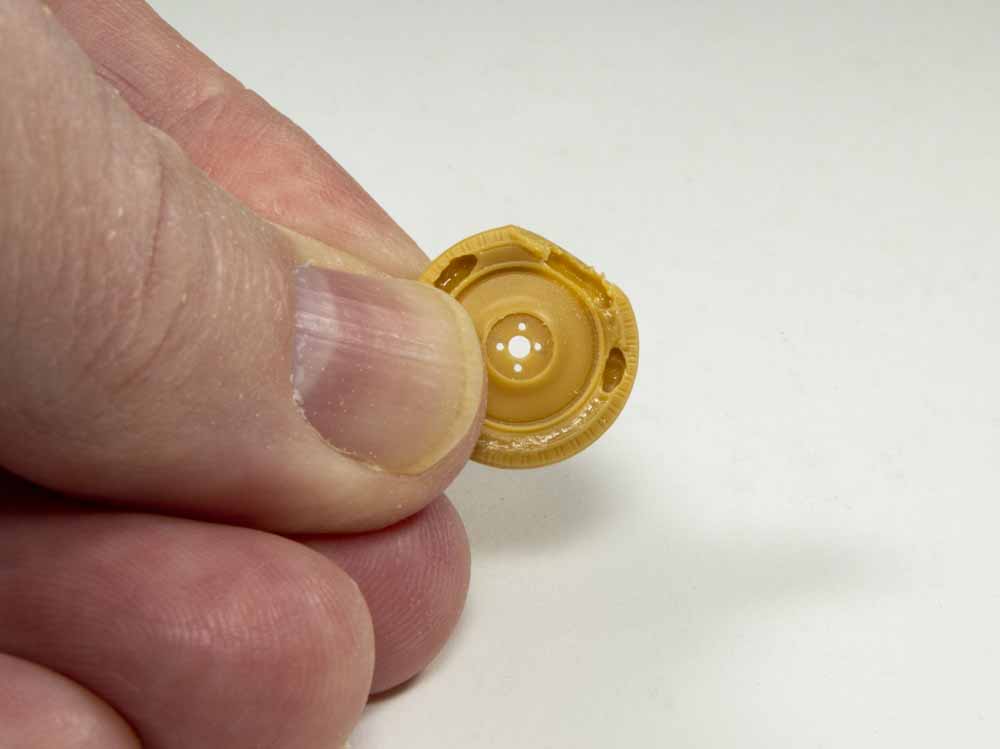
The same shrapnel shredded the tire and damaged the rim. In this case, cut holes and gouges in the tire with a burr until you’re satisfied. Go slowly. Remember, you can always remove more, but you can’t put it back.
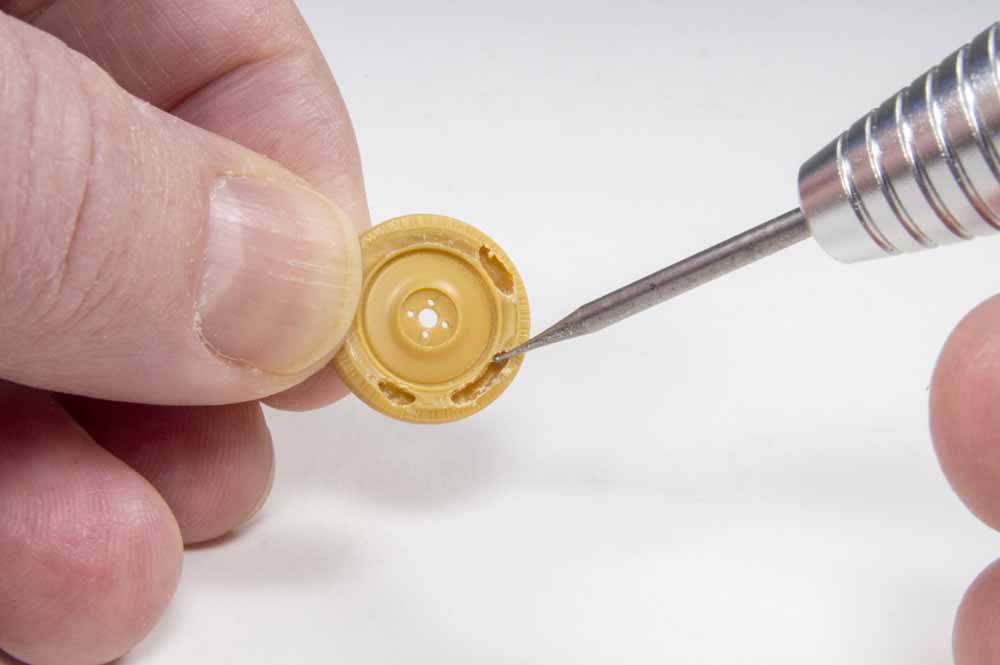
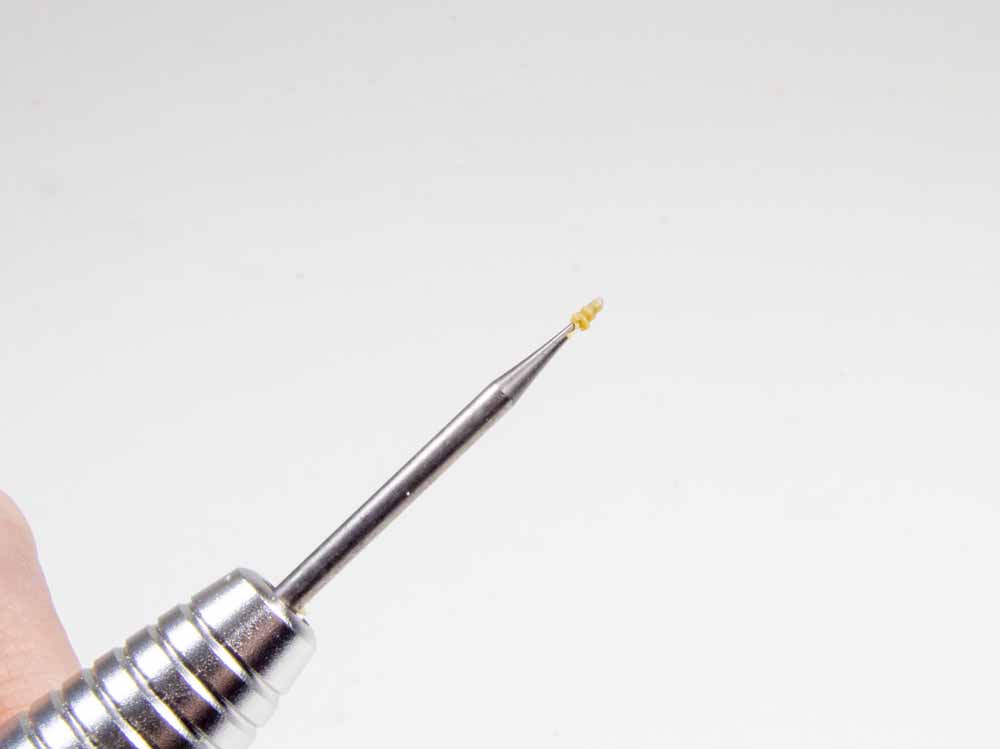
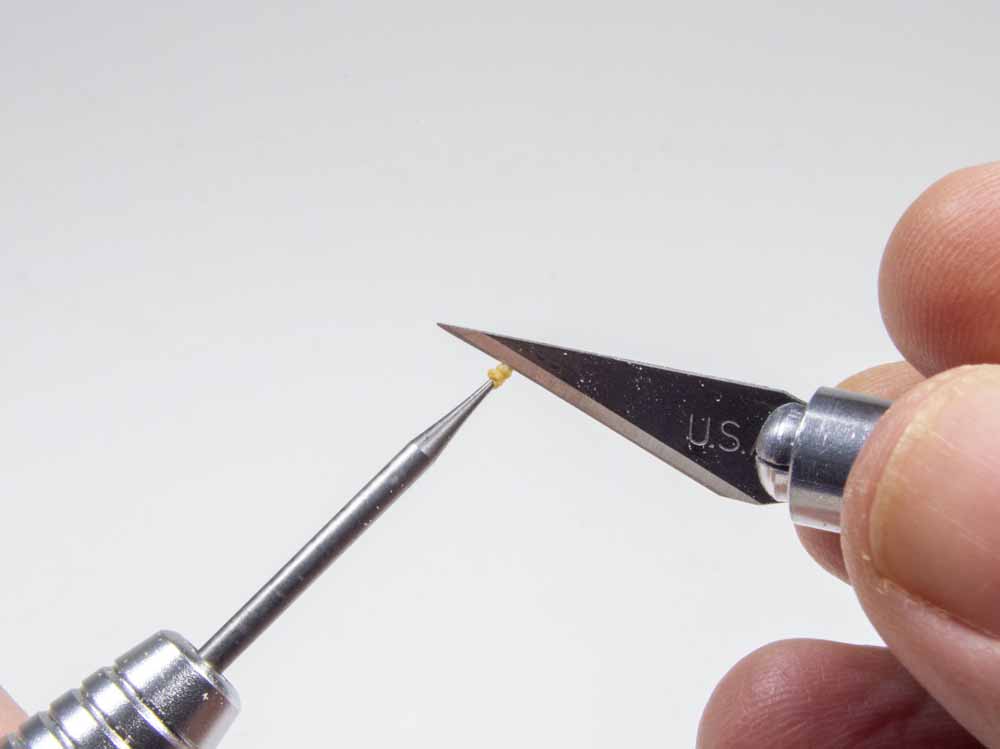
Don’t worry if some plastic melts to the burr while cutting. Go slow when cutting to keep the burr from skipping and to minimize melting. When it happens, remove it with a hobby knife, cutting away from the bit’s head.
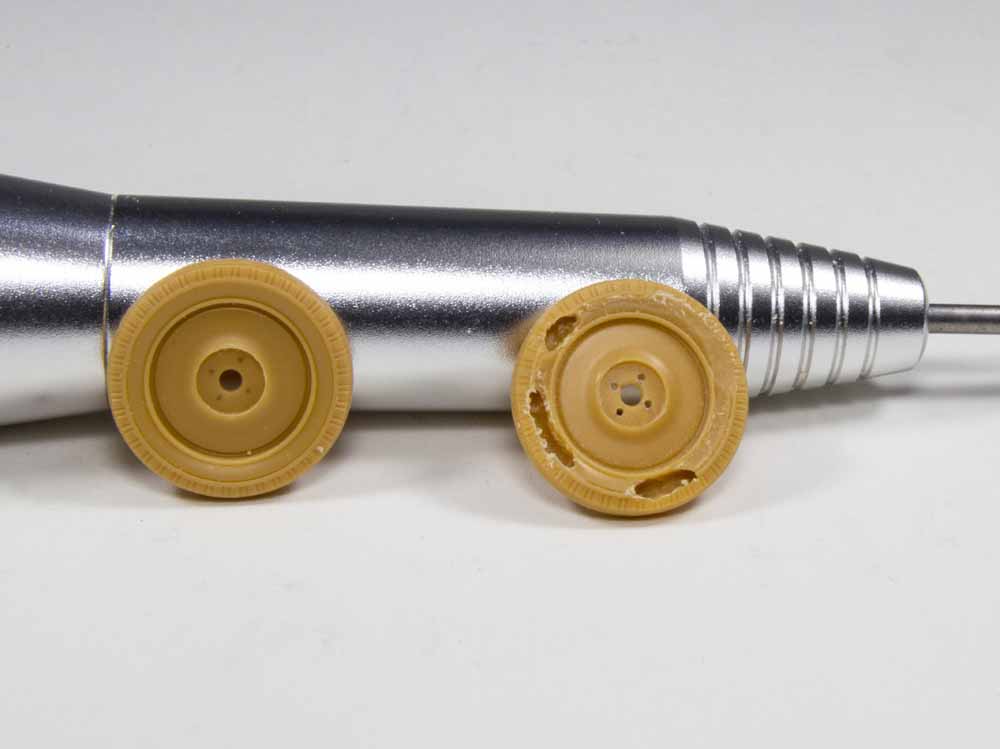
A pristine wheel and tire compared to the shredded part. Notice the rough spots on the plastic where it’s obvious a burr chewed through the plastic? Let’s take care of that.
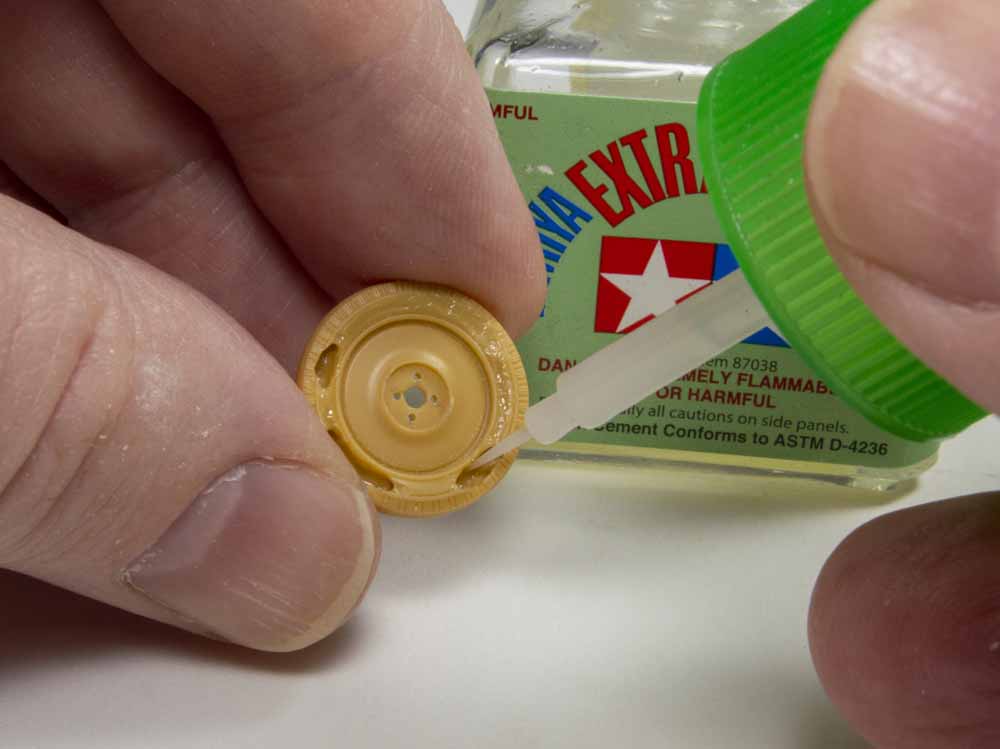
When you’re finished gouging the part with a burr, give it a light coat of thin liquid cement. It melts the plastic just enough to hide the burr marks and smooths rough edges.
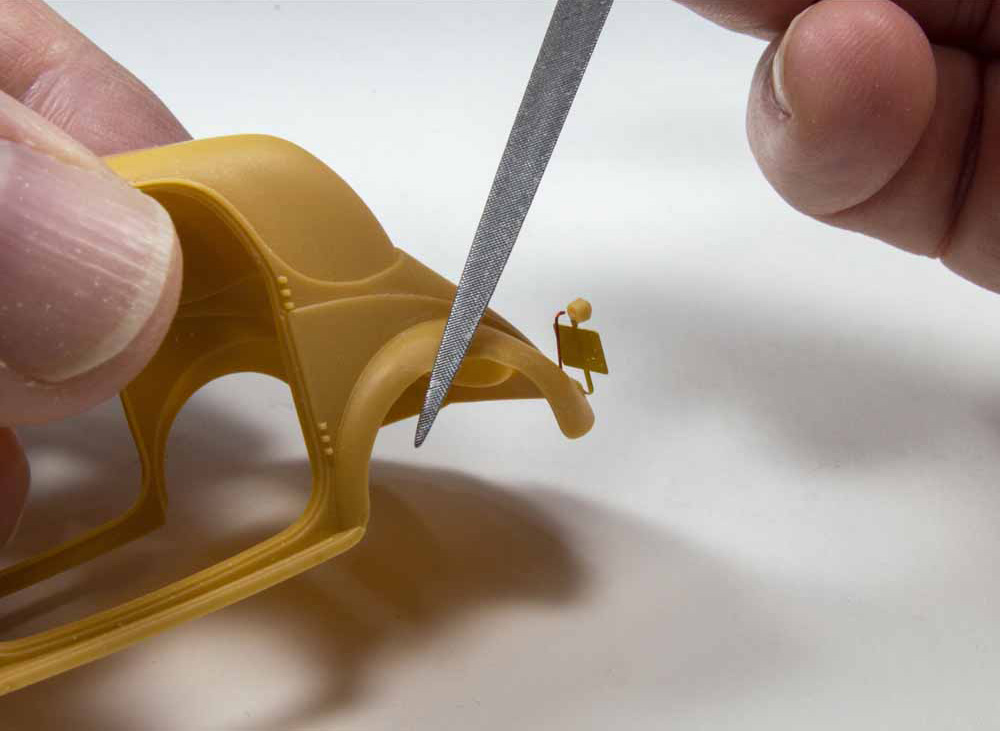
A small file can help fine-tune the damage you’ve modeled. You have more control with it than the rotary tool, and you won’t mar the work you’ve already done.
How do you make a plastic tire look flat? Hold the side you want to flatten over a small candle flame (not too close!), heat it up, and then press it down on your work surface. This works on parts without holes, too.
Dents don’t require thinning and don’t go all the way through a part. Using a rounded or bullet-shaped grinding bit, simply make depressions in the plastic part, trying for a shape that looks like a dent.
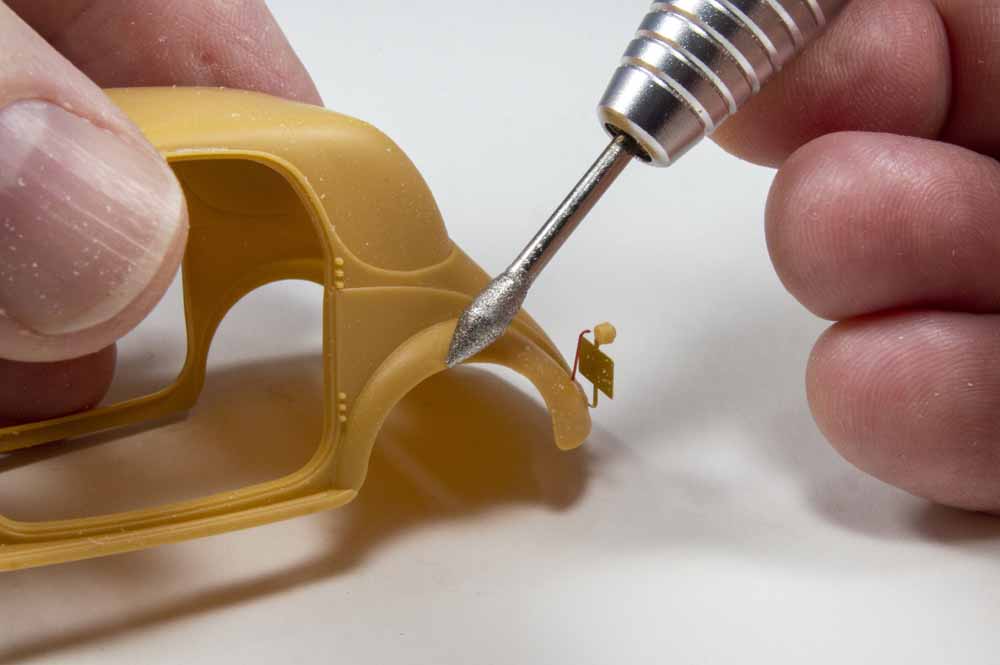
Do not make your dent from just one angle; it’ll end up looking like a gouge. Adjust your angle and the portion of the bit you’re using to achieve the look you want. Stop often to assess your progress.
Following up with a half-round file helps create the final shape of the dent and smooth the edges.
Using these techniques will allow you to beat up just about any subject — set your imagination free. Time to shred!
Whether you are going for beat up, shot through, or full-on junk yard, replicating damage on your model can add visual interest and be a lot of fun. First, you’ll need a rotary tool. Sure, you can simulate damage with sandpaper/pad and files, but they’re better left for final shaping and finish. The next — and hardest — step is to make the commitment to damaging an otherwise pristine subject. However, once you start, it can be hard to stop. Then again, who says you need to?