Advertisement
Advertisement

Archives: How-To Articles

Filter
  • Easy aircraft weathering

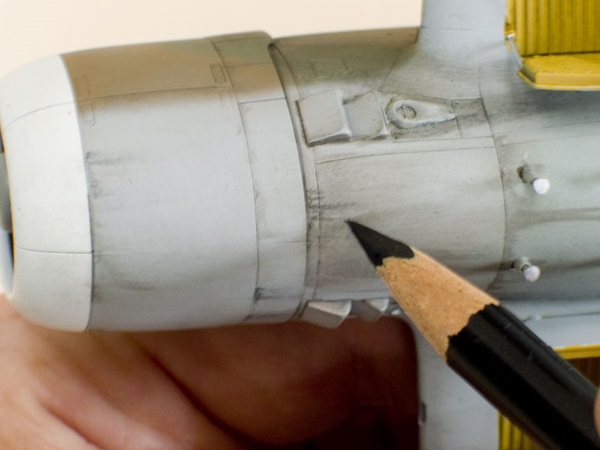
    Easy aircraft weathering

    A realistic finish comes with the correct mix of smooth paint, accurate colors, and decals that look like they’re part of the paint job. What truly makes a model look real is when it looks used. Squeaky-clean has its merits, but the model that’s sure to generate attention and comment is the one that looks…

  • Hairspray weathering

    Unable to resist the challenge of extreme weathering? Karl Logan reveals his secret for achieving that old, rusted-out, blown-up look. It’s hairspray! Find out how to use hairspray with acrylic paints for stunning results on your next model.

  • Improve clear parts with Future

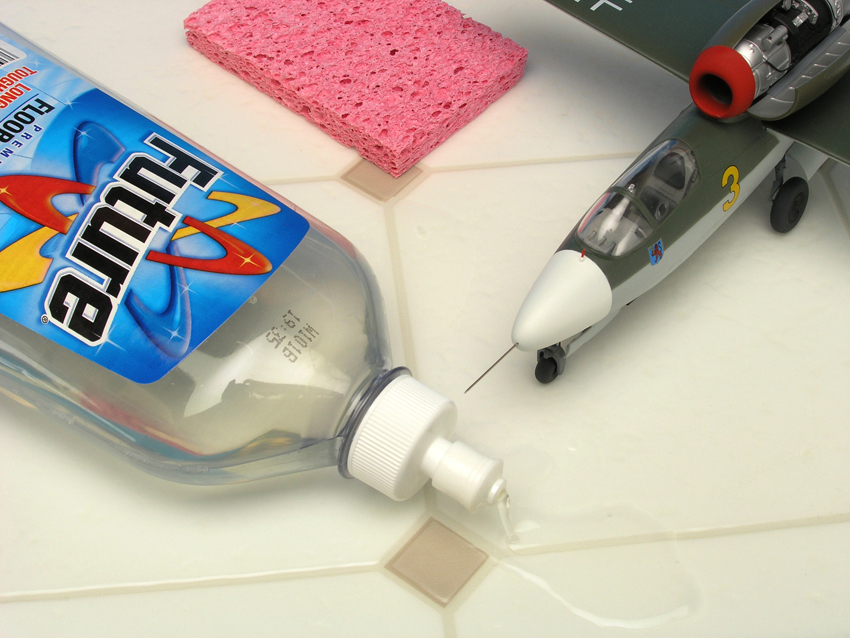
    Improve clear parts with Future

    Among the many magical properties of Future, it not only makes clear parts appear “clearer,” it also makes them easier to mask and protects them from dust and fingerprints. Here’s a step-by-step guide to this easy-to-learn technique.

  • Improving aircraft with resin details

    Some kits don’t provide a lot of detail inside a cockpit beneath a big canopy. Luckily, for those airplanes just begging for more interior detail, there are aftermarket resin parts that can take a model from mediocre to magnificent. Associate Editor Aaron Skinner demonstrates how to effectively use aftermarket resin details on Tamiya’s 1/48 scale…

  • Learn to use photoetched metal

    Photoetched metal is a great addition to modeling because, after everything’s said and done, metal looks like metal. Compared with sheet steel or aluminum on a full-size vehicle, thing brass or stainless steel performs exactly the same in scale. Editor Aaron Skinner teaches you how to cut, bend, and shape photoetched metal to add detail.

  • Naval camouflage made easy

    When Ron Smith wanted to finish his 1/350 scale USS Farenholt in Measure 12 (Modified) 1942 camouflage, Silly Putty proved to be the perfect masking agent for a complicated scheme.

  • Ship painting tips

    In this article, learn how to use airbrushing and hand-brushing techniques, along with acrylic and artist’s oil paints to achieve a stunning finish on a World War I battleship.

  • Skill Builder: How to use a soldering iron

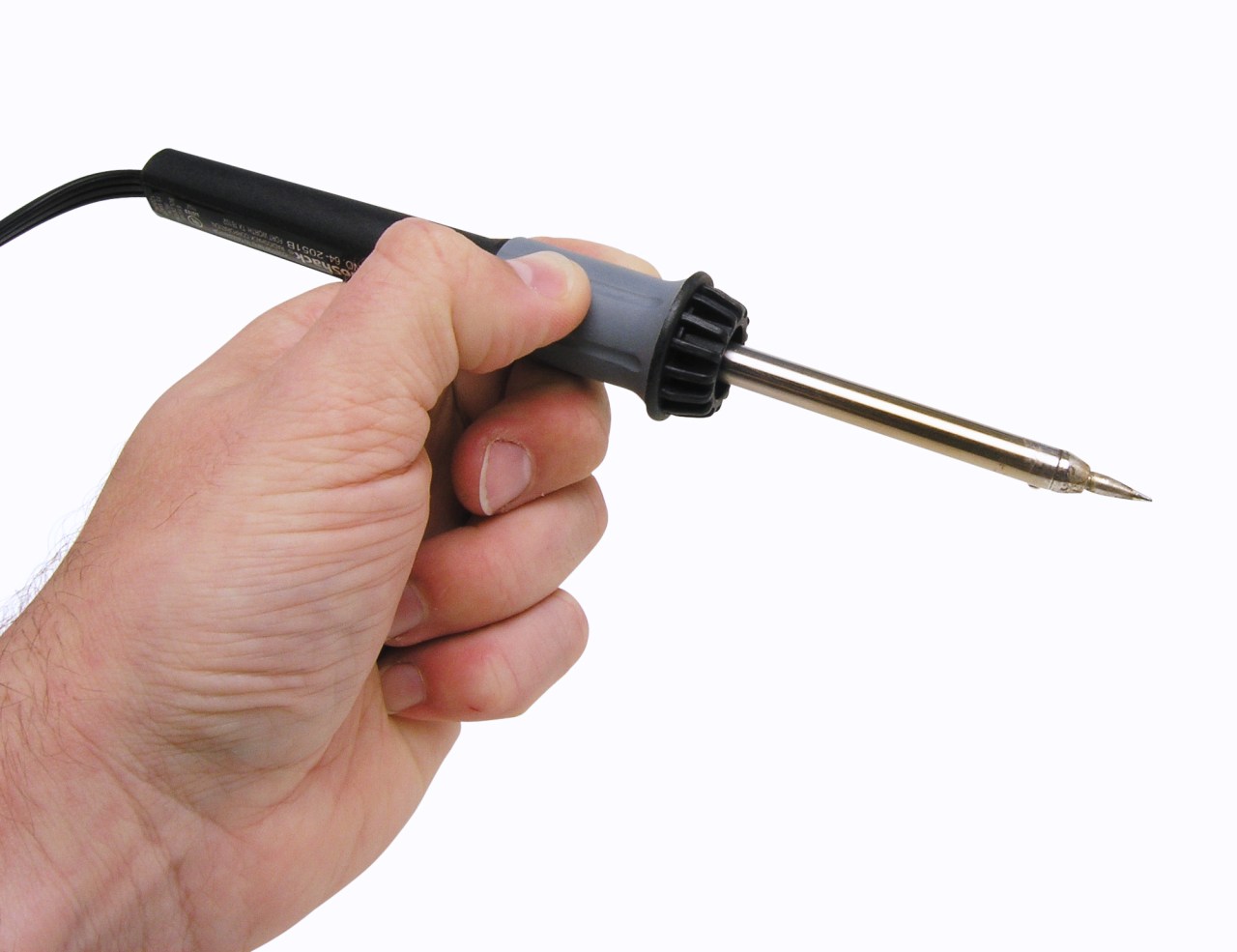
    Skill Builder: How to use a soldering iron

    For some modelers, photo-etched metal is the scourge of the hobby. Others embrace the delicate brass bits. Most fall somewhere in between. To truly embrace photo-etched metal, you need to come to grips with the soldering iron, as super glue has its limitations. As it turns out, learning to solder isn’t that hard. Start small…

  • Triplane tips

    Often, the hardest part of assembling a biplane or triplane is getting the wings to align properly. In this article, you’ll learn how to make a jig for perfect wing alignment, and find out how to make your World War I-era aircraft a real ace.

  • Using Future for decaling

    By now, most of us know what Future is, and its myriad uses in modeling. Associate Editor Aaron Skinner shows you how he uses it to prepare a model for decals. In addition to airbrushing Future, he touches on a couple of other techniques, too.